The keto diet is a very-low-carb, high-fat way of eating that shifts your body into burning fat for fuel — and it's one of the most talked-about strategies for weight loss. The quick verdict: keto can be an effective tool for losing weight, mostly because it's filling and naturally cuts out a lot of high-calorie processed foods. But it works the same way every diet does — by helping you eat fewer calories overall. It's not magic, and it's not for everyone. Here's what you need to know before you start.
What is the keto diet?
The ketogenic ("keto") diet flips the typical macro ratio on its head. Instead of getting most of your energy from carbohydrates, you get the majority from fat, keep protein moderate, and drop carbs very low — usually under 50g per day, often 20–30g.
When carbs get that low, your body runs short on its usual glucose fuel and starts breaking fat down into molecules called ketones, which it burns for energy instead. This metabolic state is called ketosis, and it usually kicks in after a few days of consistent low-carb eating.
Three things define keto:
- Very low carbs — typically 5–10% of calories.
- Moderate protein — enough to preserve muscle, without overdoing it.
- High fat — the bulk of your calories, around 65–75%.
Keto macros at a glance
Here's how a standard balanced diet compares to a typical keto split. These are approximate ranges — your exact numbers depend on your goals and body.
| Macro | Standard diet (% of calories) | Keto diet (% of calories) |
|---|---|---|
| Carbs | ~45–55% | ~5–10% |
| Protein | ~15–25% | ~20–25% |
| Fat | ~25–35% | ~65–75% |
On a 2,000-calorie day, that keto split works out to roughly 20–50g of carbs, 100–125g of protein, and 145–165g of fat — a big shift from the carb-centric way most people eat.
How keto helps with weight loss
Keto doesn't break the laws of energy balance — you still lose weight by being in a calorie deficit. What keto does is make that deficit easier to reach for some people, in a few ways:
- Appetite control. Fat and protein are filling, and many people feel less hungry on keto, which naturally reduces how much they eat.
- Fewer easy calories. Cutting carbs removes a lot of calorie-dense, easy-to-overeat foods — bread, pasta, sugary snacks, sodas.
- Steadier cravings. With more stable blood sugar, some people notice fewer energy crashes and sugar cravings.
- A fast early drop. The first week often shows a quick scale change — but much of that is water weight, since carbs hold water in the body. Real fat loss comes later and more slowly.
The catch: if you eat more calories than you burn — even from keto-friendly foods like cheese, nuts, and oils — you won't lose weight. Calories still count.
What you can and can't eat
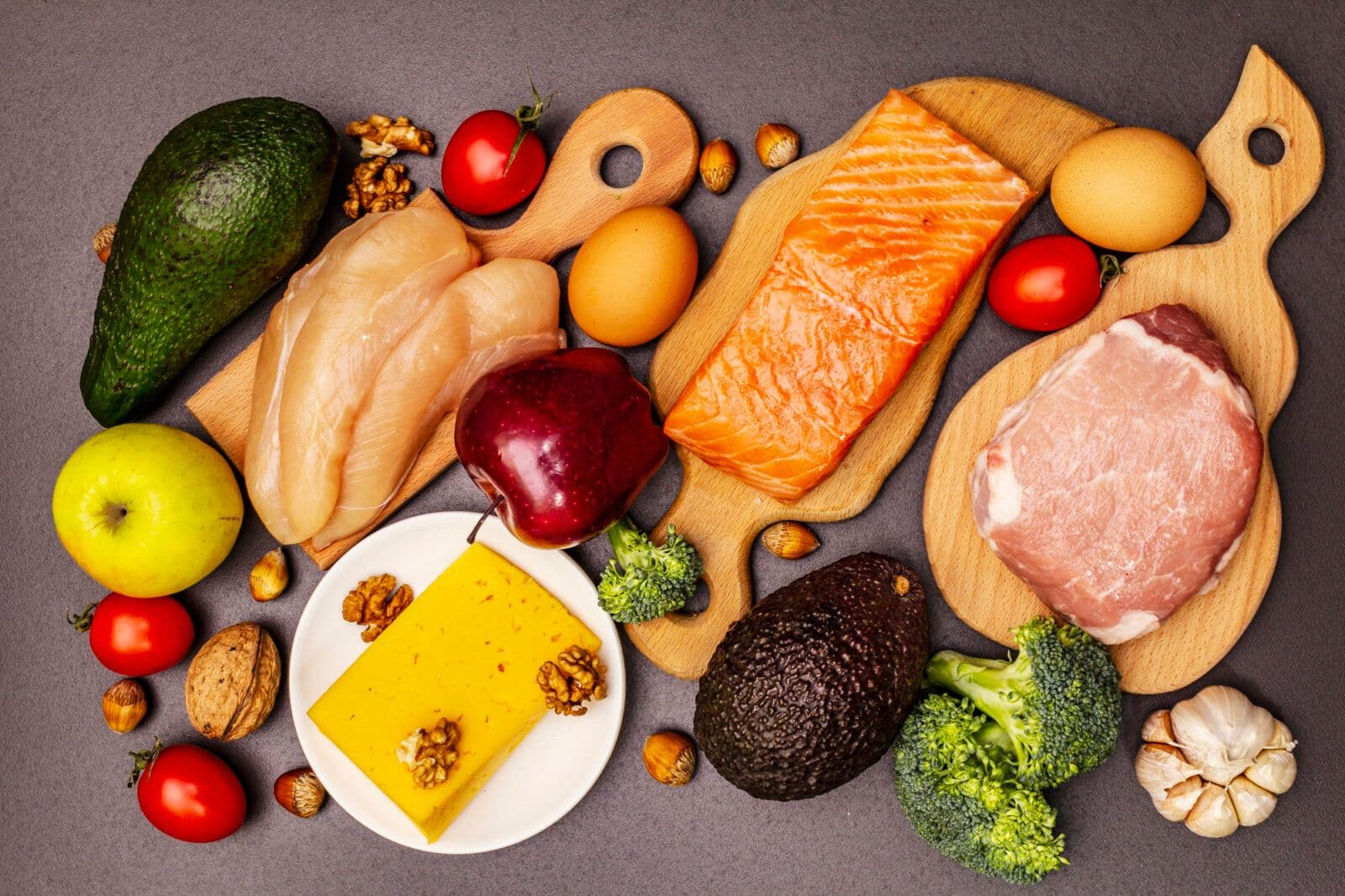
Keto is built around whole, low-carb foods.
Eat freely (low carb):
- Meat, poultry, fish, and eggs
- Non-starchy vegetables — leafy greens, broccoli, cauliflower, zucchini
- Healthy fats — olive oil, avocado, butter
- Cheese and full-fat dairy
- Nuts and seeds (in moderation)
Avoid or strictly limit (high carb):
- Bread, pasta, rice, and grains
- Sugar, candy, and most desserts
- Most fruit (a few berries are usually fine)
- Starchy vegetables — potatoes, corn
- Beans and most legumes
- Beer and sugary drinks
The trickiest part is hidden carbs — sauces, dressings, and packaged "low-carb" products can add up fast.
Potential downsides to know
Keto works for many people, but it has real trade-offs:
- The "keto flu." In the first week, some people feel tired, headachy, or irritable as the body adapts. Staying hydrated and replacing electrolytes (sodium, potassium, magnesium) usually helps.
- It's restrictive. Cutting out whole food groups can be hard to sustain socially and long-term.
- Possible nutrient gaps. Limiting fruit, grains, and legumes can mean less fiber and certain vitamins if you're not careful with your vegetables.
- Not for everyone. If you have a medical condition or are pregnant, talk to a doctor first. This isn't medical advice — check with a professional if you have health concerns.
So is keto right for you?
The honest verdict: keto is a tool, not a miracle. It can work very well for people who:
- Find high-protein, high-fat meals filling and enjoyable
- Tend to overeat carbs and sugary foods
- Like clear rules and structure
It may not suit you if you love carbs, do a lot of high-intensity exercise, or find restrictive diets hard to stick to. And remember — the best diet is the one you can actually maintain. A moderate, sustainable approach often beats a strict one you quit in three weeks.
How to start keto the right way
If you want to give it a go, set yourself up to succeed:
- Set a carb limit — usually 20–50g net carbs per day to start.
- Know your calories — keto helps with appetite, but you still need an overall deficit to lose fat.
- Plan simple meals — protein + non-starchy veg + a healthy fat is a reliable template.
- Watch hidden carbs — read labels and track what you actually eat.
- Hydrate and replace electrolytes, especially in week one.
The make-or-break factor is knowing your numbers. Instead of guessing, you can track it automatically with Caltrac — log your meals and instantly see your carbs, protein, fat, and total calories, so you'll know you're staying under your carb limit and in a deficit.
FAQ
How fast will I lose weight on keto? Many people see a quick drop in the first week, but most of that is water weight from depleted carb stores. Steady fat loss after that depends on staying in a calorie deficit — around 0.5–1kg (1–2 lb) per week is realistic and sustainable.
Do I have to count calories on keto? Keto naturally curbs appetite, so some people lose weight without strict counting. But if the scale stalls, it's almost always because total calories crept up — tracking helps you spot and fix that.
Can I eat any carbs on keto? Yes, just very few — usually under 20–50g per day. Most come from non-starchy vegetables, with small amounts of berries or nuts. Going much higher can knock you out of ketosis.
What is "keto flu" and is it dangerous? It's a cluster of temporary symptoms — fatigue, headache, irritability — as your body adapts in the first days. It's usually mild and passes within a week. Hydration and electrolytes typically ease it, but see a doctor if symptoms are severe.